

This Conservation Corner was submitted by Swing The Fly conservation partner the Wild Steelhead Coalition.
Steelhead hatcheries across the West Coast are confronting an unprecedented funding crisis that threatens their continued operation, with California’s Mad River Fish Hatchery becoming the latest casualty. While these closures alarm some, they will benefit wild steelhead populations struggling to maintain genetic integrity and resilience.
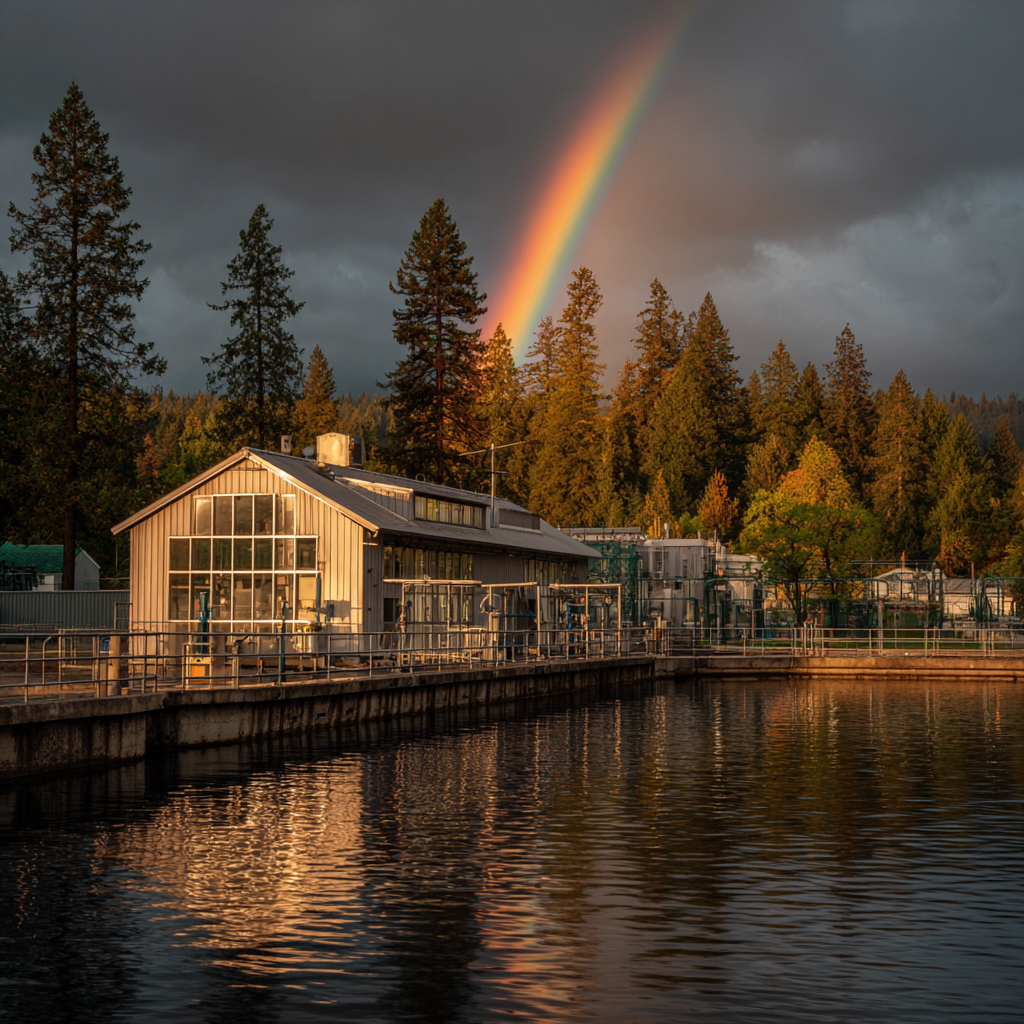
The California Department of Fish and Wildlife (CDFW) recently announced the permanent closure of the Mad River Fish Hatchery in Humboldt County, ending a 53- year program that supported local steelhead populations. With three employees and a $730,000 annual budget, the facility faces insurmountable challenges: a $40 million infrastructure repair bill, increased regulatory requirements, and production caps limiting annual output to just 150,000 fish.
“The steelhead program is no longer viable,” explained Jason Roberts, CDFW’s Northern Region Inland Fisheries Program Manager, citing the combination of California’s budget crisis and federal restrictions.
This crisis extends far beyond California:
Federal Mitchell Act funding for seven Columbia River hatcheries faces a $1.9 million shortfall
Oregon plans to close the Salmon River Hatchery due to an $8 million budget hole
The U.S. House has proposed a 22% cut to NOAA Fisheries’ 2025 budget These facilities, many built in the 1970s, require tens of millions in repairs while facing escalating costs for everything from fish food to electricity. With state budgets strained and federal funding on the chopping block, fisheries departments are making decisions about which programs to maintain.
While hatchery closures create some concern for recreational fishing, evidence suggests this will benefit wild steelhead populations in the long run. Hatchery fish, while providing immediate fishing opportunities, create unintended consequences for their wild counterparts:
Reduced genetic diversity from hatchery fish weakens wild populations through interbreeding
Hatchery raised fish compete with wild steelhead for limited habitat and food resources
Domesticated traits selected in hatcheries can diminish survival skills in the wild
Peter Tira, a CDFW spokesperson discussing the Mad River closure, acknowledged this reality, noting that while the hatchery supplemented steelhead numbers, it also potentially harmed the species’ overall health through genetic impacts.
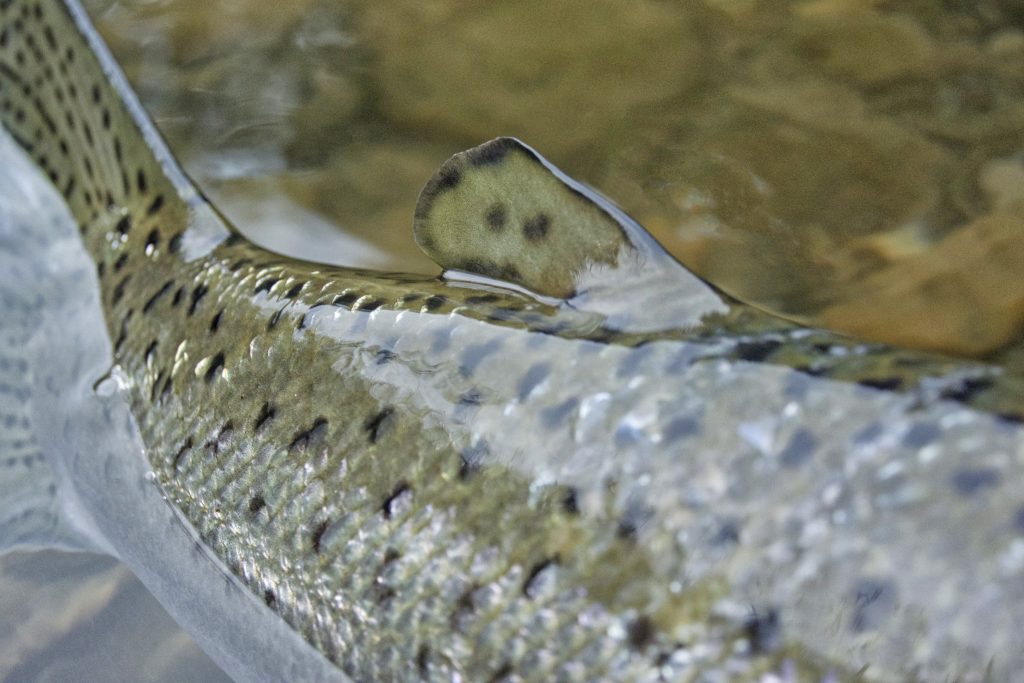
For steelhead conservation, the current funding crisis may inadvertently accomplish what decades of environmental advocacy could not, reducing hatchery influence on wild populations. In watersheds with suitable habitat and proper harvest management, wild steelhead demonstrate remarkable resilience once hatchery supplementation ends.
As budget decisions continue to reshape the steelhead landscape across the West, it looks like one with fewer hatcheries but healthier wild populations in watersheds capable of supporting natural reproduction. For steelhead recovery, this forced shift away from hatchery dependence should ultimately prove beneficial, even if it creates short-term challenges for the recreational fishing community.

Consider supporting the Wild Steelhead Coalition today.
Learn more at ww.wildsteelheadcoalition.org